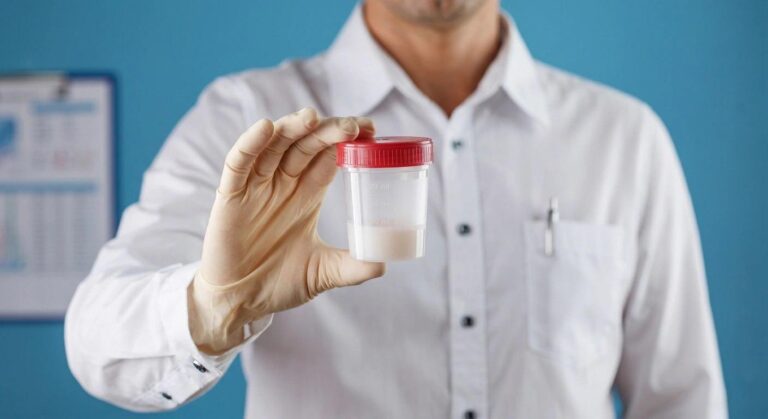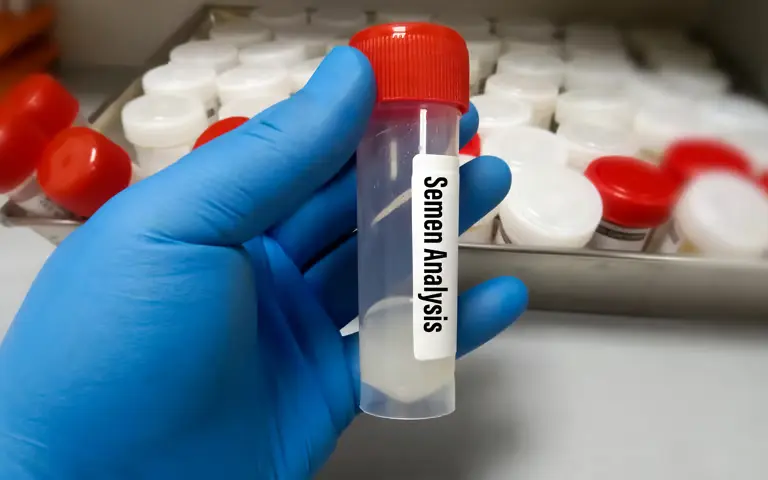
If a semen analysis came back showing no sperm at all, the first search most men run is how to treat azoospermia naturally. It is an understandable instinct. Nobody wants to hear that starting a family might involve surgery or an IVF lab.
Here is the honest answer, and it is worth reading before you spend money on supplements: lifestyle and diet changes can meaningfully support sperm production in some men with azoospermia, and they do nothing at all for others. Which group you fall into depends entirely on why your count is zero. That is a question only testing can answer.
Key Takeaways
- Azoospermia has two broad types, and only one of them responds to lifestyle change at all.
- Diet, weight, heat exposure, smoking and alcohol genuinely affect sperm production.
- No food, herb or supplement can reopen a blocked duct or replace hormonal treatment.
- A semen analysis plus hormone testing tells you which path is yours. Start there.
First, understand what “zero sperm” actually means
Azoospermia means no measurable sperm in the ejaculate. It affects roughly one in a hundred men, and about one in seven men investigated for infertility. It splits into two categories:
Obstructive azoospermia. The testicles are producing sperm normally, but a physical blockage stops it from reaching the ejaculate. Causes include past infection, injury, vasectomy, or a congenital absence of the vas deferens.
Non-obstructive azoospermia. The plumbing is fine, but the testicles are producing little or no sperm. Causes include hormonal imbalance, varicocele, genetic factors, past chemotherapy, or undescended testicles in childhood.
This distinction is the whole ballgame. Lifestyle changes affect production. If your problem is a blockage, eating walnuts will not help, and the months you spend trying are months lost.
Lifestyle changes that genuinely support sperm production
For men with non-obstructive azoospermia, particularly where the cause is hormonal or lifestyle-driven, these changes are worth making. They are also worth making alongside medical treatment, since they improve the odds of any procedure working.
- Lose excess weight: Fat tissue converts testosterone into oestrogen. Bringing a raised BMI down is one of the few interventions that reliably shift male hormone profiles.
- Stop smoking, and cut alcohol hard: Both suppress sperm production directly. Tobacco is the single biggest modifiable factor in most Indian fertility clinics.
- Keep the testicles cool: Skip the hot tubs and saunas, avoid resting a laptop on your lap, and swap tight synthetic underwear for loose cotton. Sperm production needs a temperature slightly below core body heat.
- Move, but do not overtrain: Moderate activity helps. Extreme endurance training and anabolic steroids both wreck production. Steroid use is a common and reversible cause of a zero count.
- Manage stress and sleep: Chronic stress and poor sleep disrupt the hormone signals that drive sperm production.
- Check your medications: Some blood pressure drugs, antifungals and hair loss treatments suppress sperm. Never stop a prescription on your own, but do ask.
Diet for sperm health
There is no azoospermia diet. There is a diet that supports healthy sperm production, and it looks unglamorous: whole foods, plenty of vegetables and fruit, nuts and seeds, oily fish or omega-3 sources, and far less processed food, refined sugar and trans fat than most of us eat.
Nutrients that matter for sperm production include zinc, folate, selenium, vitamin D and antioxidants. In practice, a varied diet covers these. If you have a diagnosed deficiency, correcting it under supervision is sensible. Taking a stack of fertility supplements on spec is mostly expensive urine.
Be wary of anything marketed as an azoospermia cure. If a herbal formulation could restore sperm production, it would be prescribed by urologists, not sold on Instagram.
What natural approaches cannot do
They cannot clear an obstruction. They cannot fix a Y chromosome microdeletion. They cannot substitute for hormonal therapy where the pituitary signal is absent. And they cannot make surgical sperm retrieval unnecessary when production is genuinely absent.
Being clear-eyed about this is not pessimism. It is the difference between a couple who conceives at 34 and one who starts real treatment at 39.
Start with a test, not a supplement
Before you change anything, get the facts. A repeat semen analysis confirms the finding, since a single zero result is sometimes a collection or lab error. Hormone testing (FSH, LH, testosterone) and, where indicated, genetic screening and imaging then separate obstructive from non-obstructive causes.
Sun Diagnostics runs semen analysis and male fertility hormone testing with the turnaround and accuracy your urologist needs to make a call. Bring the report to a fertility specialist, and you will have a real answer within weeks, not a year of guessing.
Ready to find out what is actually going on? Book your test with Sun Diagnostics and stop searching for a cure before you have a diagnosis.
Book a Semen Analysis at Sun Diagnostics
See what the test covers, how to prepare and how to book on our semen analysis in Navi Mumbai page, or call us to book.