

ELISA
- Home
- ELISA
Services
Menu
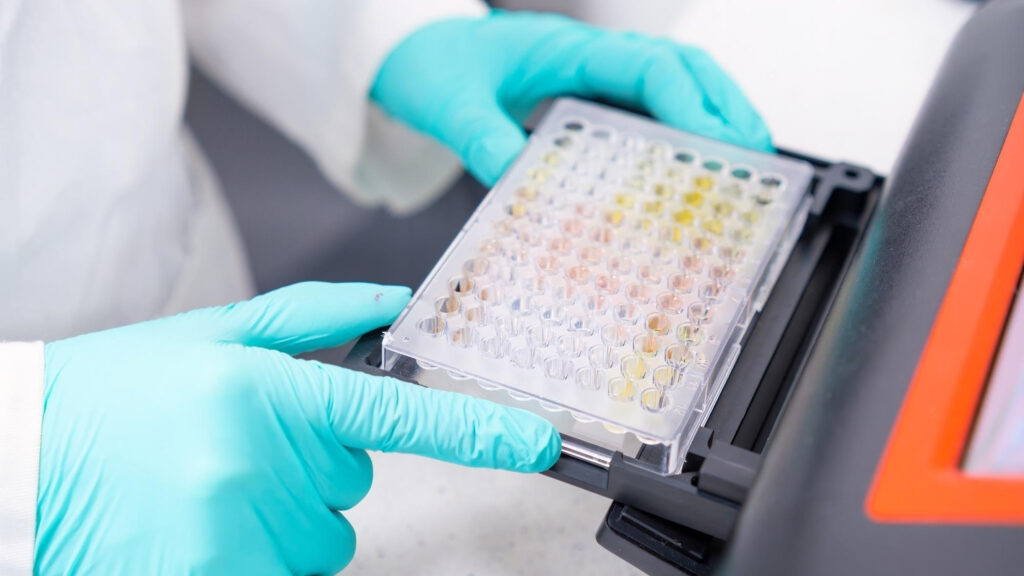
ELISA Blood Tests in Navi Mumbai at Sun Diagnostics
ELISA is a laboratory method that uses antibodies and a colour change to find very small amounts of a substance in blood. Doctors use it to look for signs of infection, to measure certain hormones and to check for antibodies linked to allergy or autoimmune conditions. If you have been asked to get an ELISA test in Navi Mumbai, Sun Diagnostics is a pathologist-led lab where reports are reviewed by a pathologist.
How an ELISA test works
ELISA stands for enzyme-linked immunosorbent assay. Your sample is added to a small well coated with an antibody or an antigen. If the substance being looked for is present, it binds to the coating. An enzyme-linked antibody is then added and produces a colour. An instrument reads the depth of that colour, which shows whether the substance is present and, for some tests, how much.
The target may be an antigen (part of a virus or other germ), an antibody made by your immune system, or a hormone.
Tests commonly done by the ELISA method
Common examples include:
- Dengue NS1 antigen and antibodies: A dengue test looks for a dengue virus protein in the early days of fever, and for IgM and IgG antibodies that appear later.
- Other fever-related infections: Antibody tests may be included in a fever profile test when the cause of a fever is not clear.
- Viral infection screening: Screening for HIV, hepatitis B and hepatitis C checks for viral antigens or antibodies.
- Hormone levels: Thyroid hormones and the pregnancy hormone hCG can be measured to show whether levels are low, normal or high.
- Allergy antibodies (IgE): An allergy test measures IgE antibodies to show sensitisation to foods, dust, pollen or other triggers.
- Autoimmune antibodies: These tests look for antibodies directed against the body’s own tissues and are often requested with autoimmune and arthritis packages.
The method used for a particular test can vary. Please call us with your doctor’s request so we can confirm the exact test before you visit.
When a doctor asks for an ELISA test
Your doctor may request one of these tests when:
- fever has lasted more than a few days, especially in the monsoon months when dengue is common;
- screening is needed before surgery, before a procedure or during pregnancy;
- symptoms suggest a thyroid or other hormone imbalance;
- rashes, sneezing or wheezing keep returning without a clear trigger;
- joint pain, stiffness or swelling points towards a possible autoimmune condition.
A negative result early in an infection may need repeating. Your treating doctor interprets the report with your symptoms, examination and other findings.
Sample and preparation
Most ELISA tests need a small blood sample taken from a vein in the arm. Fasting is usually not required. If other tests such as blood sugar or cholesterol are ordered at the same time, you may be asked to fast, so check when you book. Some hormone tests are collected at a particular time of day, and your doctor will advise.
Please tell the lab about:
- the day your fever or symptoms started;
- regular medicines, including thyroid tablets and steroids;
- supplements containing biotin (often sold for hair and nails), which can interfere with some tests;
- recent vaccinations, a recent blood transfusion, or pregnancy.
Booking, home collection and our centres
You can walk in to any of our three centres: Seawoods (main lab), Taloja and Vashi. Home sample collection is available for blood and urine samples in Navi Mumbai. To book an ELISA test in Navi Mumbai, call or WhatsApp +91 95183 81830, or contact us through the website.
Frequently Asked Questions
Do I need to fast before an ELISA test?
Usually not. Most antibody, antigen and hormone tests can be done at any time of day. Fasting may be needed if your doctor has added tests such as blood sugar or a lipid profile to the same sample. Please ask when you book.
Does a positive ELISA result mean I have the infection?
Not always. Many ELISA tests are screening tests, so a reactive result may need a second test to confirm it. Antibodies can also remain in the blood after a past infection or vaccination. Your doctor will read the report along with your symptoms and other results.
When is the right time to test for dengue?
It depends on how many days you have had fever. The NS1 antigen is usually looked for in the first few days, while antibodies tend to appear later. Tell us the day your fever began so the correct test is done, and follow your doctor’s advice.